by Tanuparna Sanyal | Nov 11, 2026 | Blogs/Articles
What are the “invisible” early signs of perimenopause that women in their late 30s or early 40s often overlook?
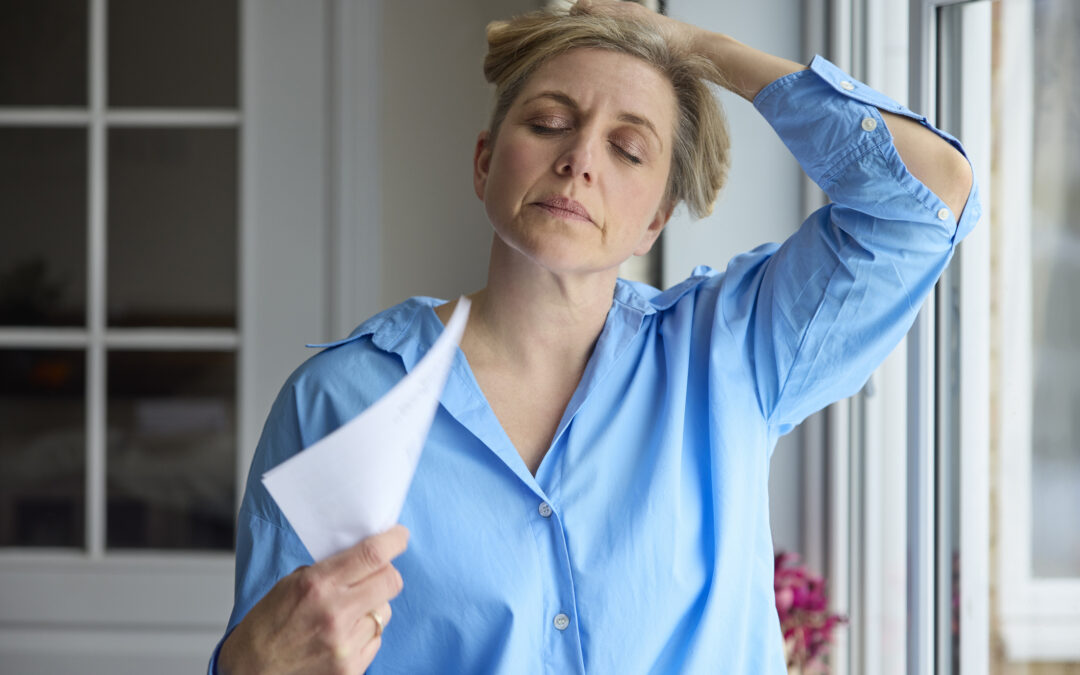
Perimenopause has a sneaky way of arriving long before your periods send an official notice. In your late 30s or early 40s, you often blame the subtle clues on stress, aging, or that second glass of wine. Sleep is usually the first to go—waking up at 3 a.m. for no apparent reason and lying there wide-eyed while you ruminate over schedules and to-do lists. Anxiety may creep in, patience runs thinner, and suddenly,
multitasking feels more like multi-forgetting. Workouts seem harder, recovery slower, and weight has an annoying tendency to migrate to your midsection without permission. You might also notice shorter cycles, heavier periods, or PMS that feels more dramatic than it used to. Even alcohol can betray you by ruining your sleep or delivering a disproportionate hangover. None of these signs scream “perimenopause,” but together they’re often the body’s quiet hint that hormonal fluctuations have entered the chat.
How can a woman distinguish between high-stress burnout and actual hormonal shifts?
Distinguishing high-stress burnout from hormonal shifts can feel a bit like solving a mystery where the suspects—stress, sleep deprivation, and hormones—are all suspiciously present. Burnout usually tracks closely with life circumstances: a brutal work stretch, caregiving overload, or months of running on caffeine and determination. When the stress improves, the symptoms often improve too. Hormonal shifts, on the other hand, tend to follow an independent path of destruction. If sleep suddenly falls apart (hello, 3 a.m. wake-ups), anxiety spikes for no obvious reason, periods change, or PMS becomes dramatically more theatrical, hormones may be quietly involved. Of course, the plot twist is that stress and hormones feed off one another, each making the other louder. If symptoms persist despite rest, stress reduction, and good habits, it’s worth discussing with a clinician. Sometimes the body isn’t burned out—it’s just entering a new hormonal chapter.
Is there a specific medical test to “confirm” you’ve started the transition, or is it based entirely on symptoms?
If you’re hoping for a simple lab test that definitively announces, “Congratulations, you’ve entered perimenopause,” unfortunately, there’s not one. Hormones during this transition behave less like a steady dimmer switch and more like a flickering light—estrogen can swing dramatically from week to week, or even day to day. That means common blood tests like follicle-stimulating hormone (FSH) or estradiol may look completely “normal” even when the transition has already begun. For that reason, clinicians usually diagnose perimenopause based primarily on symptoms and cycle changes: sleep disruption, mood shifts, brain fog, heavier or shorter cycles, and the occasional middle-of-the-night existential wake-up call. Lab tests can still help rule out other issues—like thyroid disease or anemia—but they rarely provide a definitive yes-or-no answer. In other words, perimenopause is less a lab result and more a pattern your body gradually reveals over time.
How long does the perimenopause phase typically last before reaching full menopause?
Perimenopause isn’t a quick pit stop—it’s more like a long, winding on-ramp. For most women, the transition lasts about 4–8 years before reaching menopause, which is officially defined as 12 consecutive months without a menstrual period. For some, it may be shorter; for others, especially if symptoms start in the late 30s, it can stretch closer to a decade. Early on, cycles may still look fairly regular while subtle symptoms creep in—sleep changes, mood shifts, or brain fog. As the transition progresses, periods often become more unpredictable: closer together, farther apart, heavier, lighter, or occasionally disappearing for a few months just to keep things interesting.
The average age of menopause in the United States is about 51, but the runway leading up to it varies widely. In other words, perimenopause isn’t a single moment—it’s a gradual hormonal transition where the body slowly recalibrates before reaching menopause.
What is the one thing you wish women knew about this transition before it actually starts?
The one thing many clinicians wish women knew is that perimenopause often starts much earlier—and much more quietly—than people expect. Most women are taught to associate menopause with hot flashes in their 50s, but the hormonal transition can begin in the late 30s or early 40s, and the earliest signs are rarely dramatic. Instead, it may show up as disrupted sleep, rising anxiety, brain fog, heavier periods, or feeling like your usual stress tolerance has mysteriously vanished. Because these symptoms are subtle, women often blame themselves—thinking they’re just tired, overwhelmed, or somehow “not handling things as well.” In reality, fluctuating hormones can play a major role.
Understanding that this phase exists—and that these changes are common—can be incredibly empowering. It helps women seek the right information, advocate for themselves in medical settings, and make supportive lifestyle or treatment choices earlier rather than feeling confused or dismissed. That said, avoid the pitfall of blaming everything you don’t like about the ways our bodies change during perimenopause/menopause, because unhealthy lifestyle habits like an unbalanced diet, alcohol use, poor sleep habits, or a lack of regular exercise will contribute to these changes as well.
How do you recommend perimenopausal women speak with their health care provider, especially one who seems dismissive about their symptoms?
If a woman feels dismissed when discussing perimenopause, the most helpful strategy is to approach the conversation prepared and armed with specific concerns. Instead of saying “I just don’t feel like myself,” it can help to bring a short list of concrete symptoms—changes in sleep, mood, cycle length, bleeding patterns, brain fog, or anxiety. That kind of detail gives a provider something measurable to work with.
It’s also perfectly reasonable to ask direct questions like, “Could these symptoms be related to perimenopause?” or “What options are available to manage them?” If the concerns are still brushed aside, seeking a second opinion can be valuable. Not every clinician has the same training or comfort level with menopause care.
Ultimately, women should feel heard and supported. If a provider consistently minimizes symptoms, it may simply be a sign that it’s time to find someone with more experience or interest in midlife women’s health. The Menopause Society provides a list of providers certified as menopausal care practitioners. In addition to passing examinations that demonstrate their knowledge, this designation shows they are committed to caring for women during this time—a strong indicator that they will address your concerns.
-Dr. Sarah Maddison, MD
by Tanuparna Sanyal | Nov 11, 2026 | Blogs/Articles
There is a lot of lingering fear regarding HRT; how has the modern medical view shifted in terms of safety and benefits?
Hormone replacement therapy (HRT) carries a lot of baggage, largely thanks to early reports from the Women’s Health Initiative in the early 2000s that suggested increased risks. Over the past two decades, it’s become clearer that those results were often overgeneralized. Many of the women in that study were in their 60s—well past the typical age when therapy would begin today. Consequently, on November 10, 2025, the U.S. Food & Drug Administration announced that it would begin removing the long-standing “black box” warnings from menopausal hormone therapy products containing estrogen.
Modern research shows that for healthy women under 60 or within about 10 years of menopause, HRT can be both safe and highly effective for treating symptoms like hot flashes, sleep disruption, and mood changes. It may also benefit bone health and, when started at the right time, possibly cardiovascular health.
Today, the approach is much more individualized—considering age, health history, and symptom severity. Rather than a one-size-fits-all risk, HRT is now viewed as an important tool that, when used thoughtfully, can significantly improve quality of life for many women.
Which symptoms—like brain fog or joint pain—respond most effectively to HRT, and which might require a different approach?
Hormone therapy is particularly effective for symptoms that are directly driven by estrogen decline. The clearest responders are hot flashes, night sweats, sleep disruption, and vaginal or urinary symptoms. Many women also notice meaningful improvement in mood stability and brain fog, largely because better sleep and more stable hormone levels support cognitive function. Joint aches and stiffness can also improve for some women, since estrogen has anti-inflammatory effects and supports joint and connective tissue health.
That said, not every midlife symptom responds fully to hormones. Persistent brain fog, fatigue, or weight changes may also involve sleep quality, stress, thyroid issues, nutrition, or metabolic changes. Joint pain, for example, can improve with hormone therapy but often benefits from strength training, anti-inflammatory nutrition, and physical therapy as well.
In practice, the most successful approach is often multifactorial—using hormone therapy to address the hormonal component while also supporting sleep, mental health, metabolic health, and musculoskeletal strength.
Can you break down the pros and cons of the different delivery methods, such as patches, pills, or pellets?
Estrogen therapy comes in a few delivery styles, and choosing one is a bit like picking your coffee order—same goal, different route. Pills are the classic option. They’re convenient and familiar, but because they pass through the liver first, they can slightly increase risks like blood clots for some women. Patches, gels, and sprays deliver estrogen through the skin, bypassing the liver entirely. That tends to create steadier hormone levels and a lower clot risk, which is why many clinicians consider transdermal options the modern favorite. The trade-off? You have to remember to change a patch or apply the gel regularly, and occasionally skin irritation shows up.
Pellets are tiny implants placed under the skin that release hormones for a few months. Convenient, yes, but doses can’t be adjusted once they’re in, so if you have a complication like abnormal bleeding or breast cancer, they cannot be removed. Also, they’re not FDA-approved for menopause therapy, which means the agency has not reviewed them for safety, efficacy, or quality, posing potential risks of unknown ingredients, dangerous side effects, or ineffective treatment. This doesn’t necessarily mean the drug is dangerous, but rather that the FDA has not verified its safety and manufacturing consistency. Unlike FDA-approved hormones, which are typically covered by insurance, if you go the pellet route, you’ll pay out of pocket. As always, the best option is the one tailored to the individual.
For those who cannot or choose not to use hormones, what are the most effective nonhormonal alternatives available today?
For women who prefer to skip hormones—or can’t take them—there are actually more options than many people realize. Lifestyle tweaks are the unsung heroes: regular exercise, good sleep habits, and limiting alcohol can noticeably reduce hot flashes and improve mood.
Certain antidepressants (like SSRIs or SNRIs) in low doses are often prescribed to calm hot flashes and night sweats. Newer nonhormonal medications, such as Veozah and Lynkuet, target the brain’s temperature-regulation center and can significantly reduce vasomotor symptoms. For vaginal dryness or urinary symptoms, localized moisturizing treatments such as hyaluronic acid suppositories are available without a prescription and can help restore comfort. Some women also explore cognitive behavioral therapy for sleep or mindfulness practices to steady the stress response.
Supplements get a lot of attention, but the evidence is mixed—so it’s wise to discuss those with a clinician first. A company named Bonafide sells many nonhormonal products online and in select Target stores without a prescription, and is a reputable source that I trust. In other words, hormones aren’t the only tool in the toolbox; they’re just one of several ways to help women feel like themselves again.
Is HRT a “forever” commitment, or is it something used only to bridge the most difficult years of the transition?
Hormone replacement therapy isn’t automatically a lifelong prescription—it’s more of a personalized timeline. Traditionally, many clinicians recommended using HRT for the shortest time needed to control symptoms, often a few years during the most intense phase of hot flashes, sleep disruption, and other perimenopausal symptoms. For many women, that ends up being 3–5 years.
However, modern thinking has become more nuanced. Some women choose to stay on estrogen longer because it continues to support bone health, quality sleep, and overall quality of life, particularly if symptoms return when they stop. Current guidance from organizations like the North American Menopause Society suggests there is no mandatory stop date as long as a woman is healthy, benefits from therapy, and reviews risks with her clinician periodically.
In practice, some women use HRT as a temporary bridge, while others continue longer with careful monitoring. The key is individualized decision-making rather than a fixed expiration date. Current data suggest that starting hormones early in the menopause transition has the highest potential for preventing dementia or cardiovascular disease, but the length of time a woman should use them for maximum benefit has yet to be determined.
-Dr. Sarah Maddison, MD

by Tanuparna Sanyal | Nov 11, 2026 | Blogs/Articles
Why is this so common after childbirth or as we age, and is it ever truly “normal”?
Bladder leakage is extremely common after childbirth and with aging because the pelvic floor muscles and connective tissues naturally weaken over time. Pregnancy and delivery place significant strain on these muscles, and hormonal changes during menopause can further reduce tissue strength and bladder support. Chronic coughing, constipation, heavy lifting, and high-impact exercise can also contribute over the years.
That said, there’s an important distinction between common and normal. While millions of women experience leakage, it should not simply be accepted as an inevitable part of aging or motherhood. Occasional leakage may happen, but persistent symptoms can signal that the pelvic floor and bladder could benefit from support or treatment.
For women who aren’t ready for surgery, what are the most effective at-home or lifestyle changes to manage leakage?
Fortunately, surgery is rarely the first step. Many women see meaningful improvement through conservative lifestyle measures. Pelvic floor exercises, when performed correctly, can strengthen the muscles that support bladder control. Maintaining a healthy weight, treating constipation, reducing excessive caffeine or alcohol intake, and managing fluid timing can also reduce symptoms.
Bladder training is another effective strategy. Rather than urinating “just in case,” women can gradually retrain the bladder to hold urine for longer intervals, improving urgency and frequency symptoms over time. Small adjustments in daily habits often make a larger difference than many people expect.
What are some of the innovative, noninvasive in-office treatments that can help with bladder control?
In recent years, treatment options for bladder leakage have expanded significantly beyond surgery. Pelvic floor stimulation therapies such as VTone use gentle electrical stimulation to strengthen muscles that are hard to activate on their own. These treatments are noninvasive and can help improve muscle coordination and control.
For urgency and overactive bladder symptoms, nerve stimulation therapies can help regulate the communication between the bladder and the nervous system. Pessaries—circular devices placed in the vagina that put pressure on the urethra to prevent leaking—can also help. These devices can be used continuously or as needed, which is especially helpful if urine leakage occurs during predictable activities like tennis or jogging. A referral to a pelvic physical therapist can also help. The encouraging news is that women now have access to a much broader range of minimally invasive treatment options than in the past.
How much of an impact does pelvic floor therapy really have on long-term results?
Pelvic floor therapy can have a substantial impact on long-term bladder control and pelvic health. Many women assume their pelvic floor is simply “weak,” when in reality the muscles may also be overly tight, poorly coordinated, or not functioning properly as a system.
A trained pelvic floor therapist evaluates posture, breathing mechanics, muscle coordination, core strength, and the pelvic floor itself. For stress incontinence, postpartum recovery, prolapse symptoms, and pelvic pain, pelvic floor therapy often leads to significant improvement—especially when patients remain consistent with treatment and exercises.
In many cases, pelvic floor therapy is one of the most effective first-line treatments available and can help women avoid or delay more invasive interventions. This is especially helpful if pelvic pain or painful intercourse are also present.
When should a woman stop “managing” it on her own and seek a professional consultation?
A professional evaluation is warranted whenever bladder leakage begins to affect quality of life. That may include wearing pads daily, avoiding exercise, limiting travel or social activities, waking frequently at night to urinate, or feeling anxious about leakage during normal daily activities.
Women should also seek care if symptoms are worsening or accompanied by pain, recurrent urinary tract infections, pelvic pressure, blood in the urine, or sudden severe urgency. Early evaluation often leads to more treatment options and better long-term outcomes.
Most importantly, women should know that they do not need to simply “live with it.” Bladder leakage is treatable, and seeking help early can make a significant difference in both comfort and confidence.
-Dr. Sarah Maddison, MD
by Tanuparna Sanyal | Nov 11, 2026 | Blogs/Articles
How do we differentiate between a “busy life” causing low libido and an actual hormonal or physiological issue?
Low libido is rarely caused by a single factor. Stress, exhaustion, relationship dynamics, parenting, work demands, and poor sleep can absolutely lower sexual desire—sometimes significantly. In many cases, the body simply shifts into “survival mode,” where intimacy becomes less of a priority.
However, when low libido becomes persistent, distressing, or noticeably different from a woman’s baseline, it may point to an underlying hormonal or physiological issue. Hormonal shifts during perimenopause and menopause, thyroid disorders, certain medications (especially antidepressants), chronic pain, vaginal dryness/painful intercourse, sleep disorders, and mental health concerns can all contribute.
One of the biggest clues is whether desire returns with rest, reduced stress, or improved connection. If it does not—or if physical symptoms like pain, dryness, fatigue, or mood changes are also present—it’s worth exploring the issue more deeply with a health care provider.
Are there specific vitamins or over-the-counter supplements that actually work, or is prescription intervention usually necessary?
There is no universal “magic supplement” for libido, despite what the internet may promise at 2 a.m. Some vitamins and supplements may help women who are deficient or experiencing specific contributing factors. For example, vitamin D, iron, magnesium, and B vitamins can support energy, mood, and overall well-being when levels are low.
Certain over-the-counter supplements marketed for sexual health—such as maca root or saffron—have shown modest benefits in small studies, but the evidence remains limited and inconsistent. Supplements can also interact with medications, so discuss them with a clinician.
For some women, making lifestyle changes and addressing underlying contributors are enough. Others may benefit from prescription therapies, particularly if hormonal changes, pain, anxiety, or significant distress are involved. The most effective treatment depends on identifying the root cause rather than simply trying random products off a shelf.
Currently, there are two FDA-approved prescription options for treating low libido: Addyi, a daily oral medication that alters serotonin levels, and Vyleesi, an injectable medication that stimulates the hypothalamus and is designed to be used on demand. Response to these medications varies, as the causes of low libido are often complex.
One promising non-medication option, Morpheus8, uses microneedling and radiofrequency ablation to stimulate new collagen deposition in vulvar tissue. This treatment also improves the blood flow needed for arousal. Whether paired with vaginal estrogen or used alone in women seeking nonhormonal options, Morpheus8 helps reduce pain caused by the genitourinary syndrome of menopause and enhances sexual function and pleasure. One of the best cures for low libido is restoring a woman’s ability to have a positive and rewarding sexual encounter.
How do hormones like testosterone play a role in women’s sexual health and desire?
While testosterone is often thought of as a “male hormone,” women produce it as well, and it plays an important role in sexual desire, arousal, energy, and overall well-being. Levels naturally decline with age, particularly during and after menopause.
For some women, low testosterone can contribute to decreased sexual thoughts, reduced responsiveness, lower energy, and diminished motivation for intimacy. However, libido is complex and influenced by far more than hormone levels alone. Emotional connection, stress, body image, sleep, medications, and physical comfort all play major roles.
In select cases, carefully monitored testosterone therapy may help women experiencing hypoactive sexual desire disorder (HSDD), particularly after menopause. However, treatment should always be individualized and medically supervised to avoid side effects or inappropriate dosing.
What are the most common physical barriers to intimacy that women are often too shy to bring up in a quick exam?
Many women quietly experience physical symptoms that significantly affect intimacy, but feel embarrassed bringing them up—especially during a short appointment. Vaginal dryness, painful intercourse, bladder leakage during sex, pelvic floor tension, reduced sensation, difficulty reaching orgasm, and discomfort from prolapse are all extremely common concerns.
Unfortunately, many women assume these issues are “just part of aging” or something they should tolerate. In reality, most of these are treatable. Hormonal changes, childbirth, pelvic floor dysfunction, medications, and chronic stress can all contribute to physical discomfort that directly affects desire and intimacy.
Often, once women feel comfortable discussing these symptoms openly, they realize they are far from alone—and that effective treatment options exist.
What is the first step a woman should take to start this conversation with her doctor?
The first step is simply bringing it up directly and honestly. Many women wait years before mentioning concerns about libido because they feel embarrassed or assume nothing can be done. In reality, sexual health is an important part of overall health and quality of life.
It can help to be specific about what has changed. For example: “My desire has significantly decreased over the past year,” or “Sex has become uncomfortable, and it’s affecting my relationship.” Mentioning related symptoms—such as fatigue, sleep issues, pain, dryness, mood changes, or medication changes—can also help guide the conversation.
Most importantly, women should know they do not need to have a “serious enough” problem to ask questions. Open conversations are often the first step toward identifying solutions that can improve both physical and emotional well-being.
-Dr. Sarah Maddison, MD
by Tanuparna Sanyal | Nov 11, 2026 | Blogs/Articles
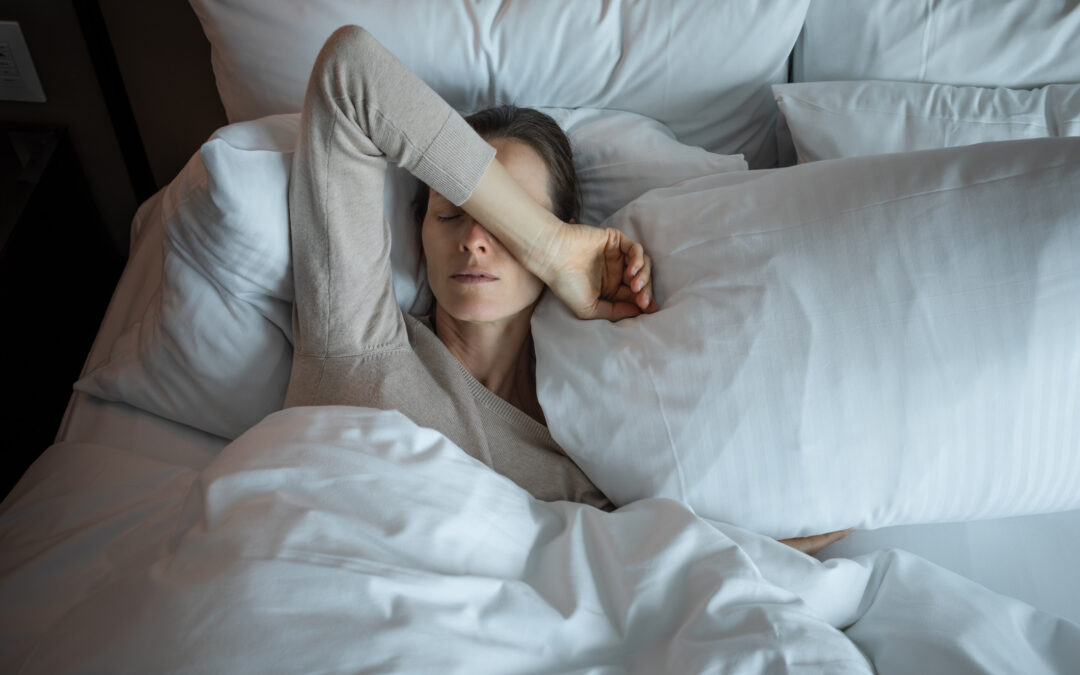
Why do so many women suddenly start waking up at 3:00 a.m. once they hit their late 30s or 40s?
Many women notice that sleep suddenly becomes lighter, more fragmented, and frustratingly unpredictable during their late 30s and 40s—and hormones are often a major reason why. As estrogen and progesterone levels begin fluctuating during perimenopause, the brain’s sleep regulation becomes more sensitive. Progesterone, in particular, has calming and sedating properties, so declining levels can make it harder to stay asleep through the night.
At the same time, stress hormones like cortisol may become more disruptive, especially in women juggling careers, caregiving, parenting, and mental overload. The classic “3:00 a.m. wake-up” often comes from a mix of hormonal shifts, stress physiology, and lighter sleep architecture.
The important thing to know is that many women assume they suddenly became “bad sleepers,” when in reality there is often a very real biological explanation behind the change.
How do night sweats impact sleep quality, and what can be done to manage them beyond just “turning up the AC”?
Night sweats do far more than simply make someone uncomfortable—they repeatedly disrupt the body’s ability to reach deep, restorative sleep. Even brief overheating episodes can trigger micro-awakenings throughout the night, leaving women feeling exhausted despite technically being “in bed” for eight hours.
Cooling the room certainly helps, but management usually requires a broader approach. Breathable bedding, moisture-wicking sleepwear, limiting alcohol before bed, and reducing heavy evening meals can all decrease nighttime temperature fluctuations. Stress reduction is also important because cortisol surges can worsen vasomotor symptoms.
For women with moderate to severe night sweats, hormone therapy is often the most effective treatment when medically appropriate. Non-hormonal medications, newer prescription therapies targeting the neurons that control temperature-regulation pathways in the brain, and cognitive behavioral therapy for insomnia can also provide meaningful relief.
What is the difference between “racing brain” insomnia and hormonal insomnia, and how do you treat them differently?
While they often overlap, “racing brain” insomnia and hormonal insomnia tend to have different patterns. Racing-brain insomnia is usually driven more by stress, anxiety, mental overload, or hypervigilance. These women often feel physically tired but mentally “stuck on.” Their brain continues problem-solving, replaying conversations, or mentally organizing tomorrow’s to-do list at midnight.
Hormonal insomnia, on the other hand, is more commonly associated with night sweats, sudden awakenings, lighter sleep, or waking consistently around the same time each night despite feeling mentally calm. Hormonal fluctuations can directly affect body temperature regulation, neurotransmitters, and sleep stability.
Treatment depends on the underlying driver. Racing-brain insomnia often responds well to stress management, cognitive behavioral therapy for insomnia (CBT-I), mindfulness strategies, nervous system regulation, and improved sleep hygiene. Hormonal insomnia may improve with hormone therapy, targeted symptom management, or treatments addressing vasomotor symptoms and sleep disruption directly. Sleep disruptions are also a common symptom of depression and anxiety. Please be sure your provider provides screening for mood disorders before simply chalking sleeplessness, fatigue, and brain fog up to menopause.
Are natural aids like Magnesium or Melatonin enough, or when is it time to consider a stronger intervention?
Natural sleep aids can absolutely be helpful for some women, particularly when symptoms are mild or situational. Magnesium glycinate may support muscle relaxation and nervous system regulation, while melatonin can help support circadian rhythm—especially for difficulty falling asleep.
One of my favorite over-the-counter products is Noctera, a hormone-free, melatonin-free sleep supplement that contains magnesium glycinate, GABA (gamma-aminobutyric acid), L-theanine, and SAMe (S-adenosyl-L-methionine). These ingredients work together to promote relaxation, support the body’s natural sleep processes, and help reduce nighttime awakenings by calming the nervous system and supporting neurotransmitter pathways involved in healthy sleep, particularly for women experiencing menopause-related sleep disturbances.
Some women also benefit from calming nighttime routines, limiting blue light exposure, and improving sleep consistency.
However, if insomnia becomes chronic, significantly impacts daytime functioning, or persists despite lifestyle adjustments, it may be time for a more comprehensive evaluation. Persistent sleep disruption can affect mood, metabolism, cardiovascular health, cognition, and overall quality of life.
In some cases, addressing the root cause—whether hormonal shifts, anxiety, sleep apnea, depression, thyroid dysfunction, or menopause symptoms—is far more effective than repeatedly trying over-the-counter remedies alone.
How can women use sleep data from wearables (like an Oura ring or Apple Watch) to better inform their care?
Wearables can provide helpful insight into sleep patterns, recovery, heart rate trends, and nighttime disturbances, especially when viewed over time rather than obsessing over a single “bad score.” Trends such as elevated resting heart rate, increased nighttime awakenings, reduced deep sleep, or disrupted temperature patterns can help women identify connections between sleep quality, stress, alcohol intake, exercise timing, or hormonal fluctuations.
That said, the data should be used as a guide—not a source of anxiety. Some people become so focused on optimizing their sleep scores that the tracking itself increases stress and worsens sleep quality, a phenomenon sometimes called “orthosomnia.”
When used thoughtfully, wearable data can be extremely useful during medical consultations because it helps provide objective patterns rather than vague descriptions like “I’m sleeping terribly.” It can help patients and clinicians better identify trends and tailor treatment approaches.
-Dr. Sarah Maddison, MD
by Tanuparna Sanyal | Nov 11, 2026 | Blogs/Articles
What exactly is Seasonal Affective Disorder—and is it really a form of depression?
Yes. Seasonal Affective Disorder, or SAD, is more than simply disliking cold weather or wishing the sun would stay out past 5 p.m. SAD is a form of depression that follows a seasonal pattern, most commonly beginning in fall or winter and improving in spring and summer.
Reduced daylight appears to play an important role. Changes in light exposure can affect our circadian rhythm—the body’s internal clock—as well as systems involved in sleep, mood, and energy.
People with winter-pattern SAD may experience persistent sadness or a loss of interest in activities they normally enjoy, low energy, difficulty concentrating, sleeping more than usual, carbohydrate cravings, weight gain, and a tendency to withdraw socially.
The important distinction is that SAD is depression. The “seasonal” part describes the pattern in which the depressive episodes occur; it doesn’t mean the symptoms are less significant.
So how is SAD different from the “winter blues”?
There is a big difference between feeling a little blah in January and experiencing clinical depression.
Shorter days, colder temperatures, less outdoor activity, and the post-holiday return to normal life can leave almost anyone feeling less energetic or motivated. You may want to stay on the couch a little longer, complain about it getting dark before dinner, or start counting the days until spring. That alone isn’t necessarily SAD.
With SAD, symptoms are more persistent and begin to interfere with everyday life. You may stop enjoying things you normally love, struggle to function at work or home, withdraw from friends and family, or experience noticeable changes in your sleep and appetite.
A helpful question to ask yourself is: “Am I just not loving winter, or am I not feeling like myself?”
If your mood affects your ability to function, or the symptoms last for weeks rather than an occasional bad day, they deserve attention.
What about the “holiday blues”? Aren’t the holidays supposed to be the happiest time of the year?
That expectation may actually be part of the problem.
The holidays can come with surprising emotional baggage. Financial pressure, travel, disrupted routines, complicated family dynamics, loneliness, grief over people no longer with us, and the expectation that we should somehow be cheerful through it all can all play a role.
Social media doesn’t necessarily help. When everyone else’s December seems to consist entirely of matching pajamas, perfect families, elaborate parties, and beautifully decorated homes, it’s easy to feel like you’re the only person struggling.
The holiday blues are usually temporary and connected to the stresses or emotions surrounding the season. SAD, on the other hand, is a recurring depressive pattern associated with a particular season and typically lasts much longer. Major depression can occur at any time of year without a seasonal pattern.
In other words, feeling sad during the holidays does not automatically mean you have SAD—but persistent symptoms shouldn’t be dismissed as “just the holidays,” either.
How can I tell SAD, major depression, and the winter or holiday blues apart?
Think about three things: severity, duration, and pattern.
The winter or holiday blues tend to be milder, shorter-lived, and connected to identifiable circumstances. You can generally still function and enjoy parts of your life, even if you’re feeling stressed, lonely, tired, or less enthusiastic than usual.
Major depression involves more significant symptoms, such as persistent sadness, loss of pleasure, changes in sleep or appetite, fatigue, difficulty concentrating, and feelings of worthlessness or hopelessness. Those symptoms interfere with daily life, and major depression can begin during any month of the year.
SAD involves depressive episodes with a recurring seasonal pattern, typically appearing during the same part of the year and improving when the season changes. One difficult winter by itself isn’t enough to establish that pattern.
Labels matter because they can guide treatment, but you don’t need to diagnose yourself before asking for help. If you consistently don’t feel like yourself, that’s enough reason to start a conversation with your health care provider.
What can actually help with Seasonal Affective Disorder?
The good news is that SAD is treatable.
For winter-pattern SAD, one of the best-known treatments is bright-light therapy, which typically involves sitting near a specially designed light box in the morning. Timing and the type of light box matter, so discuss it with a health care professional rather than simply buying the brightest lamp you can find online.
Psychotherapy, particularly cognitive behavioral therapy, can also be helpful. For some people, antidepressant medication may be appropriate, especially when symptoms are moderate to severe or recur predictably each year.
Lifestyle habits matter, too—not as a substitute for treatment, but as part of the larger picture. Getting outside during daylight hours, exercising regularly, maintaining consistent sleep and wake times, staying socially connected, and resisting the temptation to hibernate until April can all support mood and energy.
-Dr. Sarah Maddison, MD
