

Is It Stress or Perimenopause? A modern guide to the hormonal shift
What are the “invisible” early signs of perimenopause that women in their late 30s or early 40s often overlook? Perimenopause has a sneaky way of arriving long before your periods send an official notice. In your late 30s or early 40s, you often blame the subtle clues...
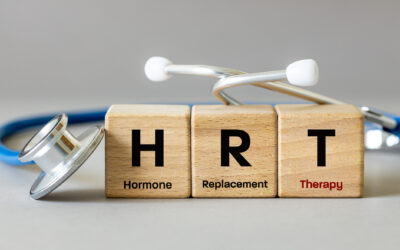
The HRT Reset: Separating Fact from Fear
There is a lot of lingering fear regarding HRT; how has the modern medical view shifted in terms of safety and benefits? Hormone replacement therapy (HRT) carries a lot of baggage, largely thanks to early reports from the Women’s Health Initiative in the early 2000s...
Bladder Leakage: What Women Should Know
Why is this so common after childbirth or as we age, and is it ever truly “normal”? Bladder leakage is extremely common after childbirth and with aging because the pelvic floor muscles and connective tissues naturally weaken over time. Pregnancy and delivery place...

More Than Stress: The Real Causes of Low Libido in Women
How do we differentiate between a “busy life” causing low libido and an actual hormonal or physiological issue? Low libido is rarely caused by a single factor. Stress, exhaustion, relationship dynamics, parenting, work demands, and poor sleep can absolutely lower...

Why Women Wake Up at 3 A.M. During Perimenopause
Why do so many women suddenly start waking up at 3:00 a.m. once they hit their late 30s or 40s? Many women notice that sleep suddenly becomes lighter, more fragmented, and frustratingly unpredictable during their late 30s and 40s—and hormones are often a major reason...

Seasonal Affective Disorder: SAD vs. the Winter Blues
What exactly is Seasonal Affective Disorder—and is it really a form of depression? Yes. Seasonal Affective Disorder, or SAD, is more than simply disliking cold weather or wishing the sun would stay out past 5 p.m. SAD is a form of depression that follows a seasonal...
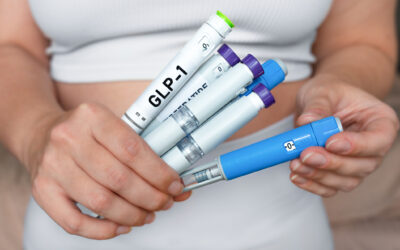
Beyond the Scale: What to Know About GLP-1 Weight Loss
How do GLP-1 medications (like Ozempic or Wegovy) work in the body to help with weight loss? Are there long-term side effects? GLP-1 medications work by mimicking a naturally occurring hormone called glucagon-like peptide-1. This hormone helps regulate blood sugar,...